Testing for Radon when Buying a New Home
Every homeowner should test for radon, but it’s especially timely to test when you are moving to a new home. Determining if radon levels are elevated in your new house will enable you to budget for radon mitigation if needed – or negotiate it into your new home purchase.
Every homeowner should test for radon, but it’s especially timely to test when you are moving to a new home. Determining if radon levels are elevated in your new house will enable you to budget for radon mitigation if needed – or negotiate it into your new home purchase.
What is radon?
Radon is an odorless, colourless gas that forms when the uranium in natural stone below a home or building decays. The gas decays into harmful radioactive atoms that get caught in your respiratory tract when you breathe. Over time this exposure causes lung cancer.
Radon is the #1 cause of lung cancer in nonsmokers and the #2 cause of lung cancer nationwide. Radon levels found in a home can vary depending on ventilation, construction methods, area geography, and outdoor weather. Radon levels can also vary from home to home within the same area. Even if other homes in your neighborhood have low radon levels, it doesn’t mean that your home will also have low radon levels.
Am I required to test for radon when buying or selling a house?
Health Canada recommends testing your home for radon before putting it on the market. If radon levels are elevated, mitigation may be necessary to reduce them. If mitigation has been completed or radon levels are below the Canadian guideline of 200 Bq/m³, this information can be shared with potential buyers.
When buying a home, Health Canada recommends knowing the indoor radon level before finalizing the purchase. If the home already has a radon mitigation system, ask the seller for as much information as possible about the system. Even if a radon reduction system is installed, it is recommended to test the home before moving in and retest after renovations or changes to the home.
Radon disclosure requirements vary across Canada by province and territory. Before buying or selling a home, check local regulations regarding radon testing and disclosure. Some mortgage lenders may also recommend or require radon testing as part of the home-buying process. Discussing radon testing with your real estate agent early can help ensure it is completed in time for the home inspection and purchase process.
How do I test for radon when buying a new home?
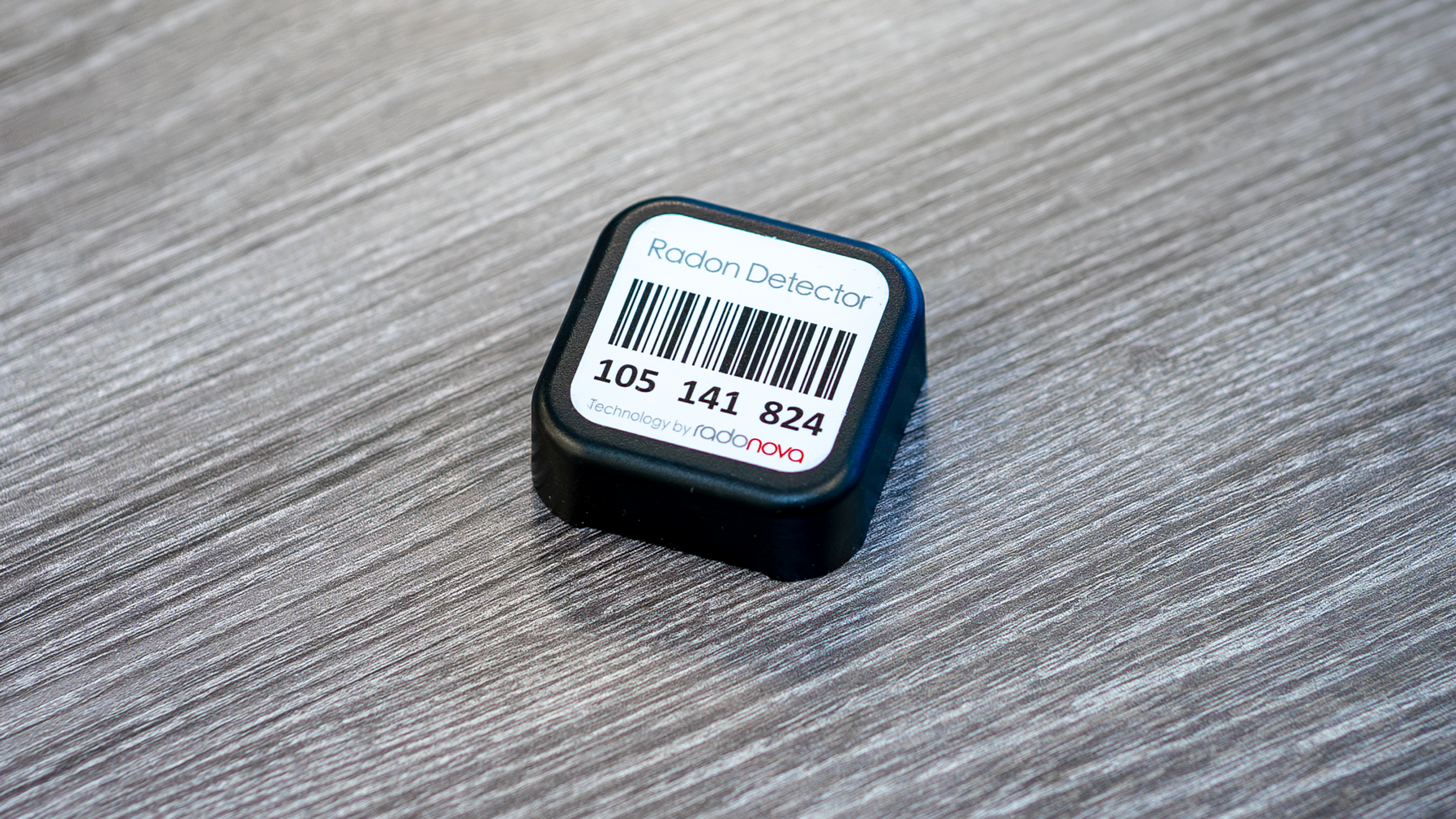
During the moving process, time is of the essence. With radon testing, the longer you can test for the more accurate your results. The Radonova Rapidos test is the most sensitive short-term test on the market. It requires at least ten days of testing and will provide emailed results within 7-10 days after being returned to the laboratory.
Radon levels can vary from room to room and hiring a professional radon measurement contractor can provide peace of mind. Many home inspectors are also certified to measure radon levels. Basements, crawl spaces, and first floor rooms such as bedrooms, living areas, and home offices should be tested. For homes with well water, testing the water may be a requirement in some jurisdictions. Radon from well water can vaporize while showering or bathing and potentially be inhaled. Professional radon inspectors will know how to measure the entire property accurately and where to test within the home.
What happens if radon levels are high in the new home I’m buying?
If radon levels in the new home are above 4.0 pCi/L or 200 Bq/m3 then a radon reduction system is a solution. Reducing radon levels in a home may consist of:
- sealing cracks in floors and walls
- installing a radon sump system
- providing sub-slab depressurization/ventilation system with underground pipes and an exhaust fan
- improving the ventilation within the home.
Massachusetts realtor Matt Heisler says,
“Radon is one of the home inspection issues that is typically entirely fixable.
There are few home issues that are as solvable as cheaply and effectively as radon.”
Heisler also offers that the better mitigation contractors can offer warranties as long as 20 years.
Should I test for radon if the new home already has a radon mitigation system?
Yes, it is recommended that you test for radon whenever you move into a new home. Health Canada recommends testing for radon, as levels can change over time, even if you have a radon mitigation system. Do-it-yourself radon tests are easy to perform and provide peace of mind by helping you understand your family’s potential exposure to radon.
A digital instrument, such as the EcoQube, can provide radon levels in individual rooms after mitigation. The digital instrument provides continuous, digital monitoring of your radon levels that can be easily viewed on your Smartphone. Warning notifications are sent in real time if radon levels are higher than recommended. You can monitor your home radon levels any time and from anywhere.
Whether you are buying or selling a home, understanding your local and state requirements for radon testing will ensure that you comply with the law and help you provide protection from lung cancer for your family and others.
Click here to stay informed about radon industry news and product discounts.
Published
July 07, 2022
Category(s)
HomeownerRelated News