
Radon Risk for Children
Children have smaller lungs and faster breathing rates than adults which means they can inhale more radon gas. Children also have growing tissue and smaller bodies which makes them more affected by the radioactive radon they can breathe in their homes and schools. These facts (and more) were discussed in the video below with Dr. Aaron Goodarzi who is an Associate Professor at the University of Calgary’s Charbonneau Cancer Institute and the Co-founder of the Evict Radon National Study in Canada.
Radon is an odourless and colourless gas that forms when the uranium in the soil and rocks around your home decays. It then seeps into your home through cracks in the foundation, crawl spaces, and openings under your home. Radon is the #1 cause of lung cancer in nonsmokers and the #2 cause of lung cancer nationwide.
Long-term exposure to radon causes lung cancer. Therefore, when children are exposed to radon, they have a higher risk of developing lung cancer at a younger age – possibly in their late 20s or 30s. Dr. Goodarzi also says that children are more sensitive to radiation and radon because the relative dose is higher when exposed to their small bodies.
The “risk of lung cancer in children from exposure to radon may be almost twice as high as the risk to adults exposed to the same amount of radon.”
CDC Agency for Toxic Substances and Disease Registry
Watch the interview with Dr. Goodarzi
Ensuring Safe Air Quality in Homes, Schools, and Child Care Centers
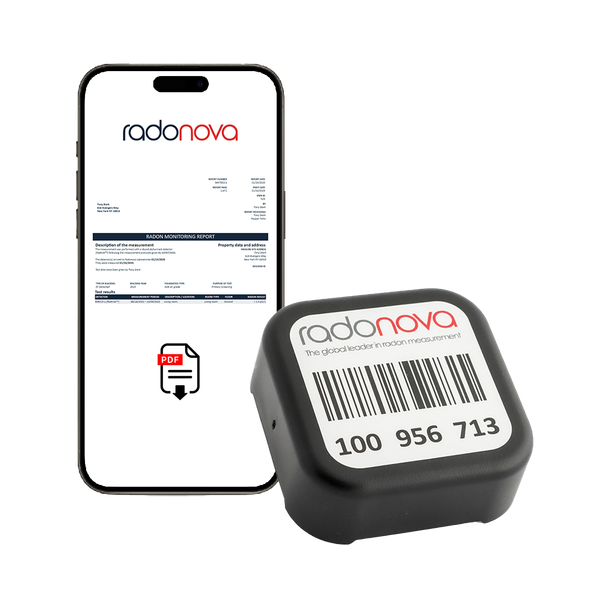
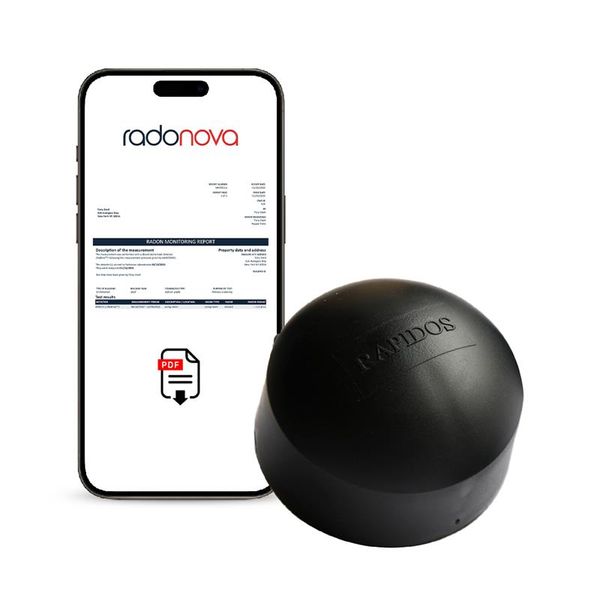
Easy to use home radon detectors can be placed in your home for periods of 2-4 days up to one year. It is important that the detectors be deployed in correct areas in the home to get the most accurate reading. Place at least one detector in your most centrally lived in room on the lowest lived in level of your home. Basements and first floor living areas are both good rooms to test. You may also want to test other rooms where you spend 4-6 hours per day such as bedrooms or a home office. Kitchens and bathrooms are not good areas to test because of the moisture in these areas.
According to Health Canada, radon can be present at elevated levels in schools and other public buildings. Measuring for radon in schools is more complex than in a residence because of the factors that contribute to radon gas entering the building, such as:
- Type of building construction.
- Type of HVAC system.
- Presence of basements, crawl spaces or utility tunnels.
- Presence of construction renovations or additions over the years.
Health Canada recommends that radon measurements in schools and other public buildings be conducted according to appropriate protocols. Radon levels can vary from room to room – even between neighbouring classrooms.
Child care centres can be a significant source of radon exposure to young children. Preschool-aged children spend time crawling, sitting, or sleeping on the floor where radon enters a house or building. Many home daycares are set up in a home basement where radon levels can be the highest.
Provinces and territories have established health and safety standards for licensed child care providers. Testing for radon is part of a comprehensive home daycare safety programme. With children spending 8 to 10 hours per day in home daycare, it is essential to make sure the air they breathe is safe (and for the daycare providers as well). Parents also need the assurance that their beloved family members are in a safe child care environment.
If radon levels in homes, schools, or child care centres are at or above 200 Bq/m³ in Canada, then steps to reduce the radon levels should be taken. Ventilation in the house or building may need to be improved and/or a radon mitigation system may need to be installed. Health Canada recommends using a qualified radon professional to perform this work.
In addition to cancer, radon exposure can contribute to other respiratory health concerns in children such as asthma. To protect children from radon and the risk of lung cancer, it is important to test facilities where children spend lots of time. If radon levels are high, take steps to reduce and mitigate the radon. Not only will this protect children, but it will protect their families, school teachers, and child care providers from the harmful effects of radon.
Our Most Popular Test Kits